



The way a meal is served shapes the entire guest experience. It influences the atmosphere, timeline, room layout, staffing needs, and how naturally guests interact.
A formal plated dinner can create a refined, structured evening, while a buffet offers flexibility and variety. Food stations encourage movement, discovery, and conversation. Each style has distinct advantages, and the right choice depends on your event’s goals.
At Relish Catering + Hospitality, we help clients select a service format that complements the occasion, venue, guest count, and menu.
Here is what to consider when choosing between a buffet, plated dinner, and food stations for your next NYC event.
Buffet Catering: Flexible and Guest-Friendly
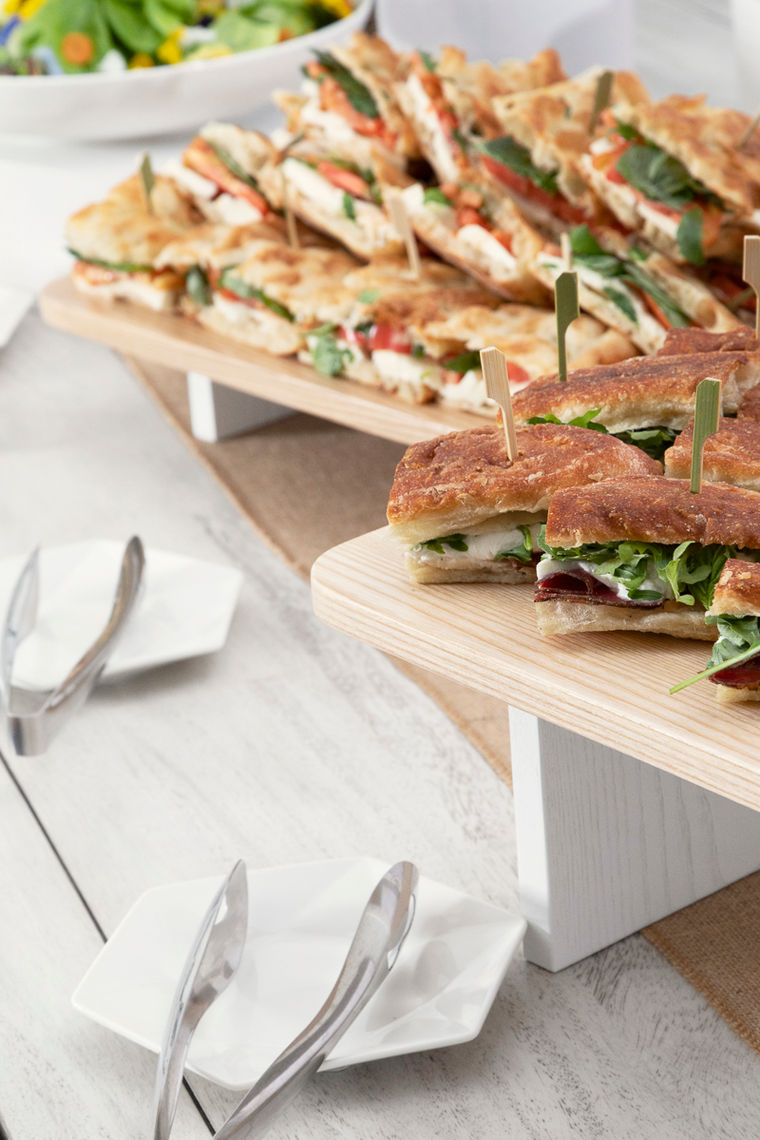
A buffet allows guests to choose from several dishes and build a meal around their preferences. Food is arranged on one or more tables, with guests serving themselves or receiving assistance from culinary attendants.
Buffets work especially well for:
- Corporate lunches
- Conferences and seminars
- Company celebrations
- Fundraisers
- Family-style social events
- Casual weddings
- Large gatherings with diverse preferences
One of the greatest advantages of a buffet is variety. Guests can sample multiple dishes, select their preferred portions, and easily identify options that meet their dietary needs.
A buffet also creates a relaxed environment and can accommodate a flexible schedule. If attendees are moving between conference sessions or arriving over a designated period, buffet service may allow more freedom than a formal seated meal.
However, guest flow must be carefully planned. Long lines can interrupt the event and make a room feel crowded. For larger groups, multiple buffet tables or duplicate serving points can keep service moving efficiently.
Your venue will also need sufficient room for the buffet, guest circulation, and dining tables. An experienced catering team can design the layout and determine how many service points are appropriate for your guest count.

Plated Dinners: Refined and Structured
During a plated dinner, guests remain seated while each course is served individually. This traditional format creates an elegant, restaurant-style experience and gives the event a clear sense of timing and occasion.
Plated service is particularly suited to:
- Weddings
- Galas and fundraisers
- Awards dinners
- Executive events
- Milestone celebrations
- Formal corporate gatherings
A plated dinner allows the culinary team to control the presentation and portioning of every course. Each plate arrives thoughtfully composed, creating a consistent experience for every guest.
This style also keeps attention focused on the event program. Because guests remain seated, speeches, awards, entertainment, and presentations can be coordinated around the meal.
Plated dinners require a detailed timeline and an accurate seating plan. Entrée selections and dietary requirements may need to be collected in advance, and place cards or seating information should clearly communicate each guest’s choice to the service team.
This format also requires more servers than most buffets. The catering team must deliver each course efficiently so guests at every table are served within a similar timeframe. Although plated service can require a larger staffing budget, it offers a polished level of hospitality that is ideal for formal occasions.
Relish Catering + Hospitality provides full-service NYC event catering with chef-curated menus, professional staffing, rentals, bar service, and event production.
Food Stations: Interactive and Social
Food stations turn dining into part of the entertainment. Instead of presenting the entire menu in one location, dishes are served from multiple stations throughout the venue.
Each station might feature a particular cuisine, preparation method, ingredient, or culinary theme. Some can be attended by chefs who prepare or finish dishes in front of guests.
Food stations are a strong choice for:
- Cocktail receptions
- Product launches
- Networking events
- Company celebrations
- Weddings
- Brand activations
- Events in galleries, lofts, and open spaces
This service style encourages guests to explore the room and interact with one another. Because food is distributed across several areas, stations can also reduce congestion and create a natural flow through the venue.
Stations provide significant creative flexibility. A menu might include globally inspired dishes, seasonal ingredients, small plates, carving stations, or interactive Chef’s Table experiences. For branded events, the food and presentation can incorporate a company’s colors, products, campaign, or cultural influences.
The main consideration is space. Stations need enough room for culinary equipment, attendants, and guest circulation. Power, ventilation, and access to preparation areas may also affect where each station can be placed.
Explore Relish Catering + Hospitality’s Chef’s Table and interactive culinary experiences for inspiration.

Which Catering Style Works Best for Corporate Events?
A buffet can work well for an all-day seminar because guests can choose from several dishes and move through lunch efficiently. A plated dinner may be more appropriate for an awards ceremony, executive gathering, or gala with a formal program.
Food stations are often ideal for product launches, networking receptions, and company celebrations. They encourage movement and give guests multiple reasons to explore the space.
Relish Catering + Hospitality offers corporate catering in NYC for boardroom meetings, conferences, media events, company outings, galas, product launches, and large-scale activations.
How Guest Count and Venue Affect Your Decision
All three service styles can accommodate a range of guest counts when planned correctly. However, the number of attendees will influence staffing, layout, service timing, and the number of food stations or buffet lines required.
Your venue is equally important. Before selecting a catering format, consider:
- Available dining and service space
- Kitchen and food preparation facilities
- Seating capacity
- Guest traffic patterns
- Freight elevator and loading access
- Power and ventilation
- Venue rules and restrictions
- Setup and breakdown times
New York City venues can present unique logistical challenges, including tight load-in windows, limited preparation areas, and strict building requirements. Reviewing these details early helps prevent complications on event day.
Browse some of the NYC event venues where Relish Catering + Hospitality works when considering the best setting and service style for your occasion.
Consider Your Menu and Dietary Needs
Your menu may naturally lend itself to one service format.
A multicourse menu with detailed plating is best suited to seated service. A menu offering numerous entrées, sides, and salads may work beautifully as a buffet. Small dishes prepared to order are natural choices for food stations.
Dietary needs should also be considered early. Buffets and stations can offer visible variety, but clear labeling and careful service practices are essential. Plated dinners make it possible to prepare a specific meal for each guest when dietary information is collected beforehand.
At Relish Catering + Hospitality, our culinary team creates globally inspired menus using fresh, seasonal, and responsibly sourced ingredients. We accommodate vegetarian, vegan, gluten-free, dairy-free, nut-free, and other dietary needs with the same care and attention given to every dish.
Design a Dining Experience Around Your Guests
The best service style is not simply the most formal or elaborate option. It is the one that complements your venue, supports the event’s schedule, and allows guests to enjoy the occasion comfortably.
Relish Catering + Hospitality can help you compare buffet service, plated dining, interactive stations, or a combination of formats.
Our culinary and event teams will consider guest flow, menu possibilities, dietary requirements, staffing, and presentation to create the right experience for your occasion.
Not sure which format fits your event? Call us today at 212-228-1672 and let’s talk about the options.
 by Norman Brackett
on
by Norman Brackett
on


